Until a few years ago, GLP-1 was a term encountered mainly in textbooks on physiology, endocrinology, and diabetes.
Dietary protein does far more than maintain muscle. The amino acids it provides are involved in the continual synthesis and renewal of proteins throughout the body.
In recent years, dessert aisles have changed. Protein bars, chocolate, cookies, puddings, and ice cream are increasingly marketed as “no added sugar,” “low in sugar,” or as healthier alternatives to traditional desserts.
Insulin resistance is a state of reduced biological responsiveness to insulin and contributes to the development of several metabolic disorders, including type 2 diabetes.
In 2021, an international team examined whether metabolism slows with age by analyzing energy expenditure in 6,421 people from 29 countries. The youngest participant was eight days old and the oldest was 95.
In 2019, twenty people spent four weeks at a research center in the United States, where every meal they ate was provided by the scientists.
The word “probiotic” is often used as though it simply means beneficial bacteria. Labels promise “10 billion,” “20 strains,” “microbiome support,” or “immune support,” making it easy to assume that all probiotics do broadly the same thing.
Today, consumer genetic tests can produce reports on how genetic variants are associated with caffeine metabolism, lactose digestion, levels of certain nutrients, body weight, and other traits. Some companies go further, turning genetic results into recommendations on diet, supplements, or weight management.
Onions, apples, milk, legumes, wheat, garlic, and pears may seem like very different foods. Yet all of them can contain carbohydrates that belong to the FODMAP group.
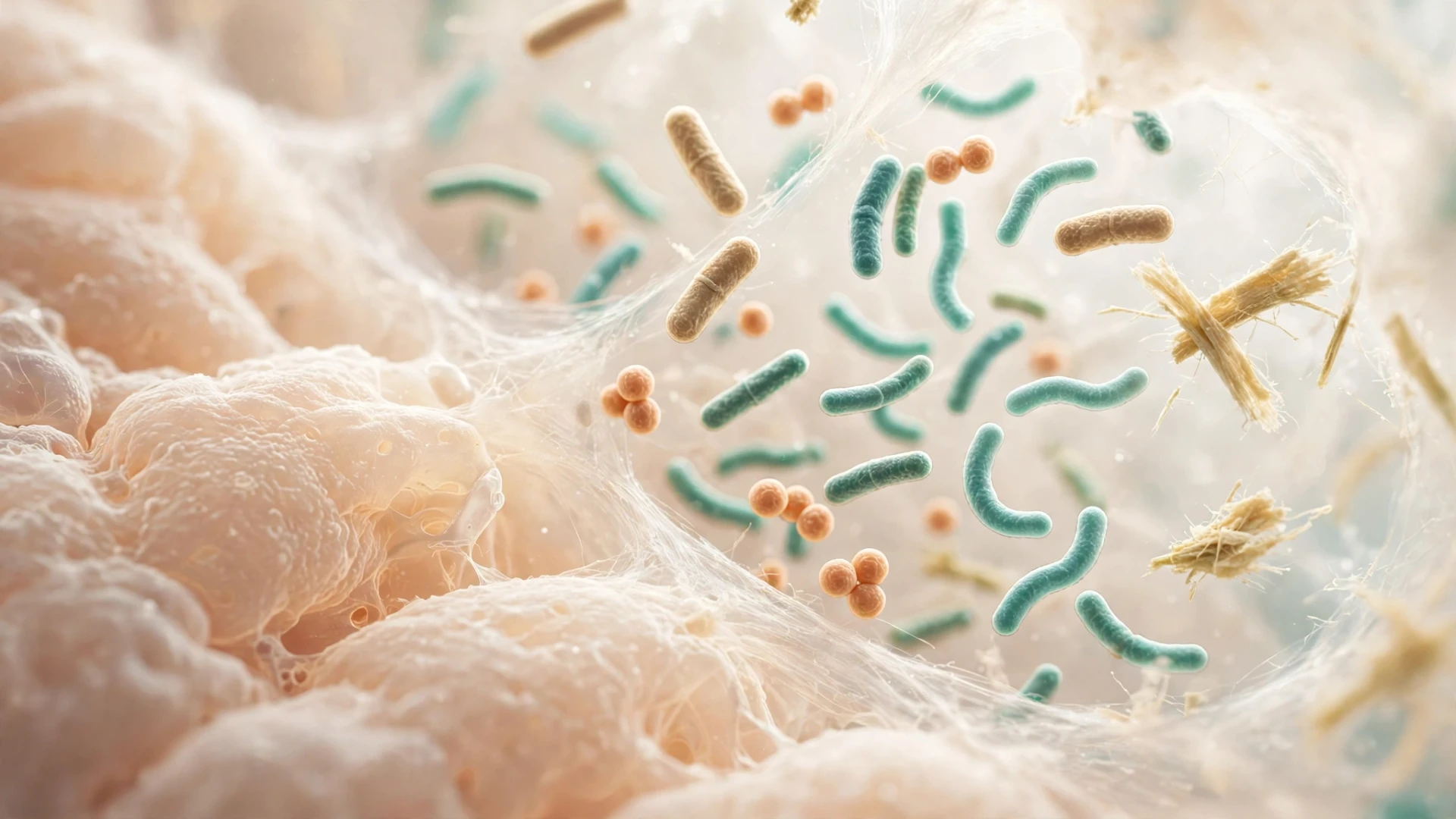
The gut microbiome has become one of the fastest-growing areas of nutrition science. We now know that the microorganisms in the gut are not merely passive inhabitants of the digestive system. They break down certain components of food, produce a range of substances, and take part in complex interactions with the human body.
Nutrition advice often sounds as though the same food should affect everyone in the same way. Human physiology is more complex.